Ice Cream Sublimation Watercolor Clipart Review
As a designer who bridges the gap between digital assets and tangible textiles, I approach every new graphic with a specific question: will this actually work when thread hits fabric? When evaluating Ice Cream Sublimation Watercolor Clipart, my perspective shifts from pure graphic design to practical application. While these assets are categorized under Print Templates, their soft edges, pastel gradients, and organic shapes make them compelling candidates for mixed-media embroidery projects. However, translating watercolor aesthetics into stitch files requires a critical eye. This review breaks down how this clipart performs in real-world studio scenarios, specifically for makers and shop owners looking to create high-value handmade products.
First Impressions: Visual Mood and Stitch Potential
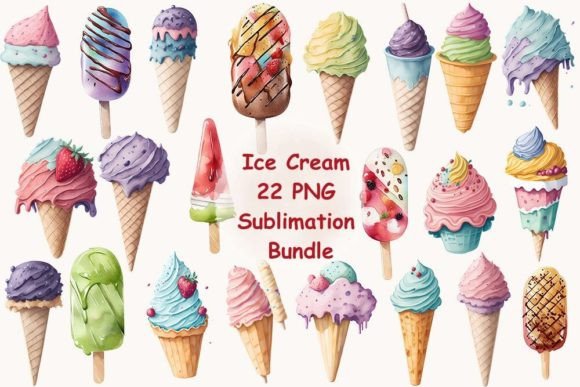
My initial assessment of this Ice Cream Sublimation Watercolor Clipart focuses on its visual personality. The design exudes a nostalgic, summery warmth that immediately suggests specific product categories. Unlike rigid vector art, the watercolor style offers soft transitions that mimic the natural sheen of rayon or polyester threads. For an embroidery designer, this is both an opportunity and a challenge. The lack of hard outlines means the design relies entirely on color blending and stitch direction to define form.
In terms of layout, the composition feels balanced for center-chest placement on custom apparel or as a focal point on a tote bag design. The whimsical nature of the ice cream theme naturally aligns with baby embroidery, nursery decor, and boutique summer collections. However, because watercolor relies on transparency, I immediately look for areas where the design might lose integrity on textured fabrics. The mood is undeniably sweet and professional, but success depends on respecting the medium's limitations during the digitizing or printing phase.
Real-World Application: The Custom Sweatshirt Test
To truly judge the viability of this asset, I mentally applied it to a recent client request: a personalized sweatshirt for a small ice cream shop’s staff uniforms. The goal was to merge the shop’s branding with a vintage aesthetic. Using this Ice Cream Sublimation Watercolor Clipart as a base, I evaluated two distinct production paths relevant to craft business owners and Etsy sellers.
The first path involved direct sublimation onto white polyester fleece, followed by minimal outline embroidery. Here, the clipart shines. The watercolor washes provide the complex shading that would require 40,000 stitches if fully embroidered, keeping the garment soft and wearable. The second path was converting the clipart into a full machine embroidery design. In this scenario, the soft edges of the digital file served as a guide for fill stitch gradients. I found that the design works best when paired with a simple running stitch border to anchor the floating watercolor elements. This hybrid approach creates a premium finished product that justifies a higher price point than standard stock designs.
Navigating Fabric Constraints and Hoop Sizes
While the aesthetic is versatile, physical application requires caution. Watercolor-style graphics often contain faint details that disappear on dark fabrics. If you are planning sweatshirt embroidery on navy or black cotton, this clipart will need significant modification or a white underbase layer to maintain visibility. On light-colored fabrics, the translucency is an asset; on dark fabrics, it can look muddy without proper contrast adjustments.
Hoop size selection is equally critical. Detailed watercolor shading demands space to breathe. Attempting to shrink this design for a small cap or sleeve cuff risks losing the delicate gradient effects that give it character. For smaller hoop sizes, I recommend isolating a single element, like one scoop or a cherry, rather than forcing the entire composition. Additionally, stretchy fabrics like jersey knits require careful stabilizer selection. Because watercolor designs often use variable density fill stitches to mimic paint washes, inadequate stabilization can lead to puckering that distorts the artistic effect. Always test on scrap fabric that matches your final project’s weight and texture.
Elevating Product Value and Brand Consistency
For commercial embroidery businesses and digital product sellers, consistency builds trust. Using high-quality assets like this Ice Cream Sublimation Watercolor Clipart signals professionalism. Customers can distinguish between generic, jagged clipart and thoughtful, artistically rendered design assets. When used correctly, this style elevates perceived value. A tea towel featuring this soft, painterly ice cream motif feels like a boutique find rather than a mass-produced item.
This visual appeal translates directly to buyer engagement. In online listings, printable mockups utilizing this clipart help customers visualize the end result before purchasing. Whether you are selling the digital embroidery file itself or the finished personalized gift, the cohesive watercolor aesthetic creates a strong brand identity. It appeals to buyers seeking unique, handmade vibes over sterile corporate graphics. Just ensure that your thread colors or print settings accurately reflect the digital preview to avoid customer disappointment regarding color matching.
Essential Designer Notes for Safe Production
Before committing this design to a sellable product or client order, adhere to these practical checkpoints:
- Verify Licensing Terms: Confirm whether the license allows for commercial embroidery, sublimation, or digital resale. Never assume rights based on category alone.
- Test Stitch Density: If digitizing from this clipart, check that fill stitch areas aren't too dense for lightweight fabrics or too sparse for stability.
- Check Color Contrast: View the design in grayscale to ensure definition remains without relying solely on color variation.
- Stabilizer Matching: Use cut-away stabilizer for stretchy apparel and tear-away for stable woven goods like aprons or pillow covers.
- Mockup Accuracy: Create realistic mockups that show fabric texture, not just flat digital overlays, to set accurate customer expectations.
- Wash Testing: Watercolor effects can fade if thread tension is off or ink quality is poor. Wash a sample to ensure longevity.
Making the Final Call for Your Studio
Ultimately, Ice Cream Sublimation Watercolor Clipart is a valuable asset for makers who understand mixed media. It excels in applications where softness and nostalgia are paramount, such as baby items, holiday gifts, and summer apparel. It is less suitable for high-detail technical embroidery or dark garments without modification. By treating this digital asset as a component of a larger textile strategy rather than a standalone solution, you can create stunning, market-ready products. Always respect the interplay between digital art and physical thread, and your finished products will reflect both artistic vision and technical mastery.