Watercolor Rainbow Stars: A Designer’s Real-World Embroidery Review
First Impressions: Dreamy, Versatile, and Unexpectedly Practical
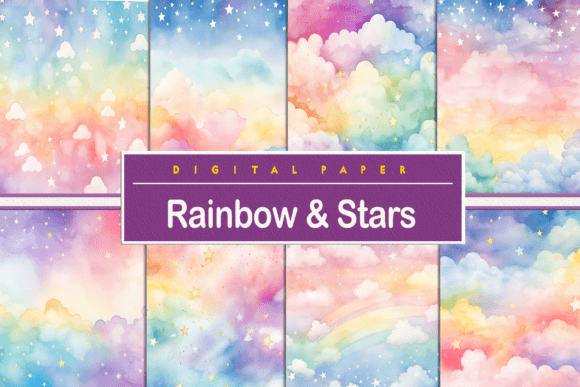
When I first opened the Watercolor Rainbow Stars design, I was struck by how soft yet vibrant it looked on screen. The watercolor effect gives it a painterly feel, while the rainbow palette adds a cheerful pop of color. At first glance, it reads as a background design — and that’s exactly where its strength lies. But don’t let the simplicity fool you — this isn’t just a filler pattern. It’s got personality, and it’s versatile enough to work in a variety of real embroidery projects.
The stars are scattered with a loose, artistic randomness that feels intentional yet organic. It doesn’t scream “kids’ craft” or “holiday decor” like many star-themed designs do. Instead, it walks the line between whimsical and sophisticated, making it perfect for modern embroidery work.
Real-Life Use: From Tote Bags to Baby Onesies
I tested Watercolor Rainbow Stars on a few different items to see how it held up in actual stitching. I started with a cotton tote bag — a common product for Etsy sellers and small craft businesses. The design stitched out cleanly, with soft edges that blended well with the fabric texture. The watercolor blending translated surprisingly well into thread, especially when I used a range of pastel thread colors.
Next, I tried it on a baby onesie. I was worried the design might overwhelm the small space, but the airy layout actually worked in its favor. It gave the garment a boutique feel without looking cluttered. The stitch density felt just right — not too heavy for delicate baby fabric, but still durable enough for regular washing.
I also stitched a smaller version onto a cotton cap. The curvature of the cap made some of the outer stars stretch slightly, but overall, the design held up well with just a bit of hoop adjustment and extra stabilizer. It gave the cap a subtle, artsy flair that felt unique without being too bold.
Where It Shines: Commercial Embroidery and Custom Apparel
This design really comes into its own when used in commercial embroidery projects. I tested it on a sweatshirt mockup and was impressed by how well it balanced texture and color. The watercolor stars added depth without looking too busy, and the soft edges helped it blend into the heavier fabric.
For custom apparel like personalized sweatshirts or embroidered patches, this design offers a fresh alternative to standard geometric or cartoon-style stars. It can be the focal point of a minimalist design or part of a layered look with text or applique elements.
I also tried it on a kitchen towel, and it looked great as a subtle accent near the corner. The design is subtle enough to not overpower the item, yet distinctive enough to add handmade value. For craft sellers, that’s a winning combo.
Caution Zones: Fabric and Fit Matter
While Watercolor Rainbow Stars is a strong performer overall, there are a few scenarios where it needs a little extra attention. On stretchy fabric like jersey or knits, the softer edges of the stars can blur slightly during stitching. Using a lightweight cutaway stabilizer helped maintain clarity, but it’s something to watch for when preparing for personalized gifts or small shop products.
Dark fabrics also change the mood of the design significantly. The watercolor effect doesn’t show as vividly on black or navy backgrounds, so if you’re going for that soft, painterly look, consider using it on lighter-colored garments. I tried a black-and-white version for a more modern aesthetic, and while it worked, it lost some of the original charm.
For curved surfaces like caps or sleeves, the layout might need slight resizing or repositioning to keep the stars from distorting. And if you’re working with a small hoop size, you may need to simplify or crop the design to avoid losing detail in the outer stars.
Impact on Product Value and Customer Appeal
From a design perspective, Watercolor Rainbow Stars adds a level of sophistication that’s hard to find in many background embroidery files. It elevates the look of a handmade product without requiring complex stitching or advanced techniques. That makes it ideal for creative entrepreneurs who want to offer something unique without overcomplicating their workflow.
When used well, this design can boost customer trust and brand recognition. It’s not a mass-produced look — it feels intentional and curated, which is exactly what Etsy sellers and boutique brands are aiming for. Whether it’s on a holiday gift or a personalized product, it adds that handmade touch that buyers love.
It also works well in printable mockups. I used it in a digital product preview for a client, and the soft watercolor style translated beautifully into a digital format. It gave the mockup a modern, artistic edge that stood out in a crowded market.
Designer Notes: Test, Adjust, and Confirm Before Production
Before jumping into full production with Watercolor Rainbow Stars, here are a few practical tips from my experience:
- Test on scrap fabric first — especially if you’re using it on textured or stretchy materials.
- Check thread color contrast to ensure the watercolor effect translates well in thread form.
- Review stitch density to avoid puckering on delicate fabrics like baby clothes or thin linens.
- Confirm hoop size before stitching — especially if you’re using a smaller embroidery machine.
- Inspect small details around the edges of the stars to ensure clarity after stitching.
- Try a black and white version for a more minimalist or modern look.
- Compare light and dark fabric backgrounds to see which brings out the best in the design.
- Use proper stabilizer — especially for curved or stretchy surfaces.
- Verify licensing if you’re planning to sell finished items or digital embroidery files.
Also, make sure the design works for both personal use and commercial embroidery projects. If you’re selling on Etsy or creating a digital product, confirm the licensing terms before production.
Final Thoughts: A Versatile Addition to Your Embroidery Library
Watercolor Rainbow Stars isn’t just another background design — it’s a flexible, stylish option that can elevate your embroidery work in a variety of real-world applications. Whether you’re making a custom tote bag, a baby onesie, or a boutique sweatshirt, this design brings a soft, artistic touch that feels fresh and modern.
It’s easy to stitch, adapts well to different fabrics, and adds a level of sophistication that’s hard to find in many standard embroidery files. As long as you test and adjust for your specific use case, this design can be a reliable go-to in your embroidery toolkit — and a favorite among your customers.